Programme
Conference programme is available. Click here to access.


Project co-financed by state budget resources granted by the Minister of Science under the Doskonała Nauka II Program.


Conference Terms and Conditions
PolishEnglish
The conferennce is held in Collegium Novum, address Gołębia 24, 31-007 Kraków
Map (tap/click to enlarge) :


The conference will be held at Collegium Novum, the main building of the Jagiellonian University, located at 24 Gołębia Street, in the heart of Krakow's historic city center. This iconic venue is situated close to the Main Square and other renowned tourist attractions, offering a perfect blend of academic prestige and cultural richness.
Collegium Novum is not only a center for scholarly activities but also a place steeped in history. Its magnificent architecture and historical significance make it an inspiring setting for academic gatherings. Attendees will have the opportunity to experience the vibrant atmosphere of Krakow while engaging in scholarly discourse within this distinguished institution.
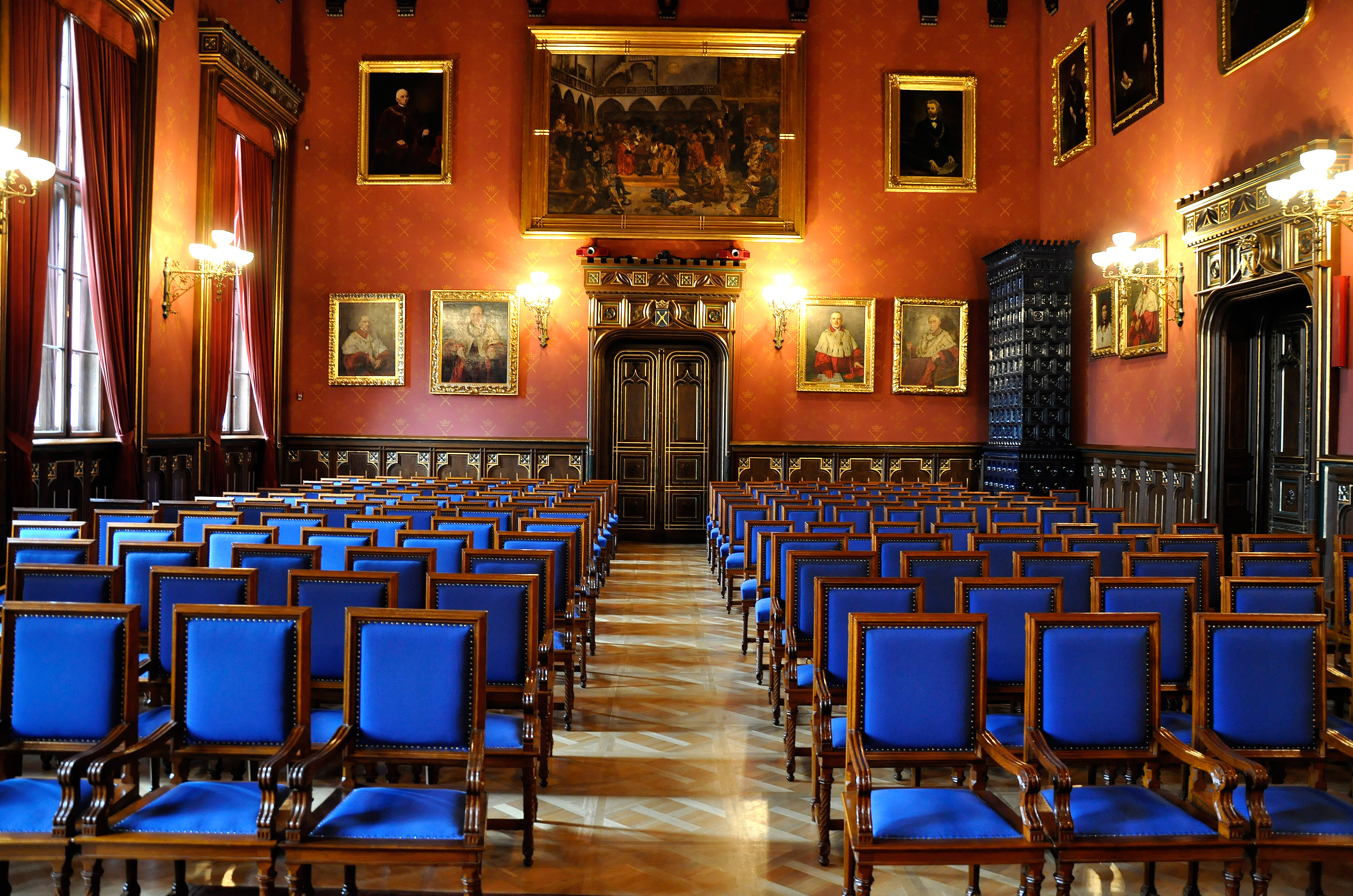
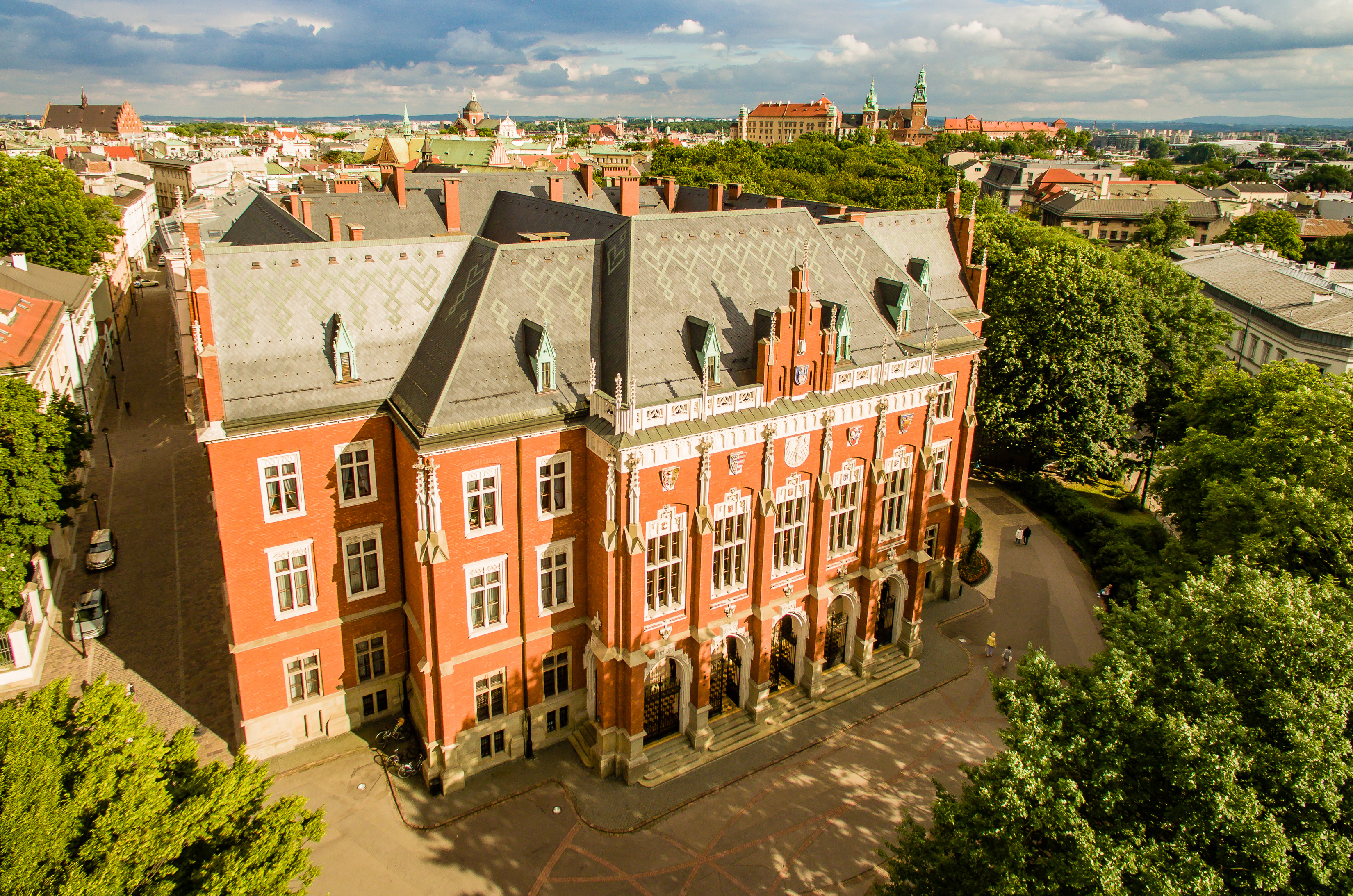
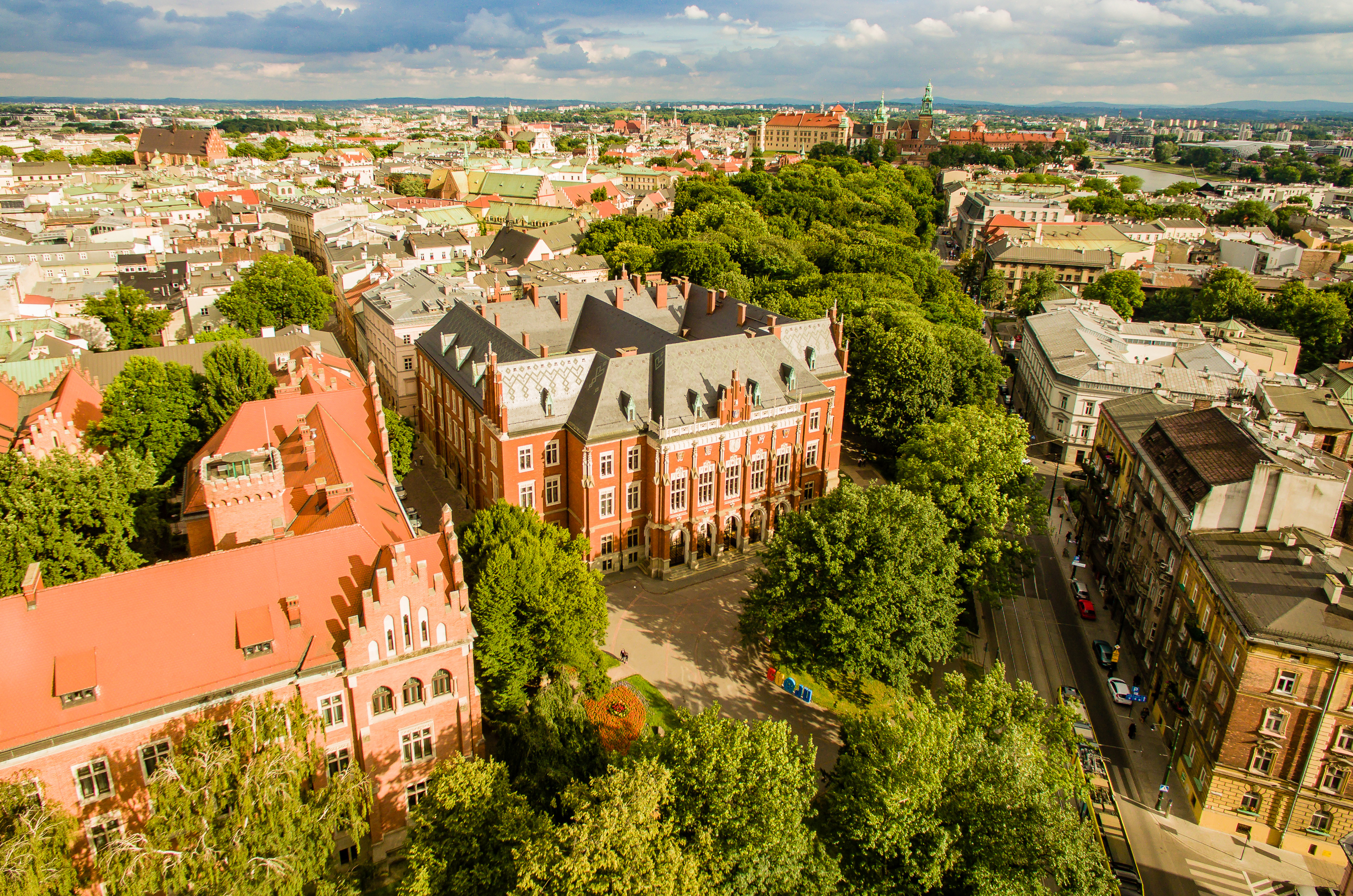
Founded in 1364 by King Casimir the Great, the Jagiellonian University is Poland’s oldest higher education institution and one of the oldest in Europe. Originally known as the Akademia Krakowska, the university has been an international hub of learning and innovation for centuries. It has produced many notable alumni, including the renowned astronomer Nicolaus Copernicus and Karol Wojtyła, who later became Pope John Paul II.
Notable alumni include the astronomer Nicolaus Copernicus, chemist Karol Olszewski, and Karol Wojtyła, who became Pope John Paul II. Today, the Jagiellonian University comprises 16 faculties, employs nearly 4,000 academic staff, and educates almost 40,000 students across more than 150 fields of study. The university is renowned for its research achievements and state-of-the-art infrastructure, making it a leading scientific institution in Poland.
The university's prestige is evident in its cutting-edge research across various disciplines. JU Medical College scientists pioneer studies in cardiac surgery, urology, and neurology, with their findings published in top journals such as the New England Journal of Medicine and Lancet. JU archaeologists explore ancient sites globally, while astronomers and biotechnologists participate in significant international projects and publish in reputable journals.
Major projects at the university include the Jagiellonian Centre for Experimental Therapeutics, Małopolska Centre of Biotechnology, OMICRON, and the National Synchrotron Radiation Centre SOLARIS.
For more information about the Jagiellonian University, visit their official website.
Krakow, the former capital of Poland, is a city of profound historical and cultural significance. Its rich history is reflected in the numerous monuments and landmarks that adorn the city, some dating back to the 10th century. Visitors can explore the majestic Wawel Castle, the charming streets of the Old Town, and a multitude of churches, museums, and cafes that contribute to the city's unique charm.
As a leading center of Polish academic, cultural, and artistic life, Krakow has been a focal point of European culture for centuries. In 2000, it was named the European Capital of Culture, cementing its status as a vibrant cultural hub. Today, Krakow continues to attract tourists from around the world, drawn by its historical allure and lively atmosphere.
Attendees of the conference will not only benefit from the academic environment of Collegium Novum but also have the chance to immerse themselves in the rich cultural tapestry of Krakow.